Inspections
What Inspectors Actually Look For During Dispensary Build-Outs
A construction-level breakdown of what city and state inspectors actually verify during dispensary build-outs, and why most delays happen before you even realize there is a problem.
Article Summary
- Inspectors prioritize life safety, security, and compliance over finishes or branding
- Most failed inspections trace back to construction decisions made early in the build
- Camera coverage, vault construction, and ADA clearances are the most common issues
- Understanding inspection order helps prevent costly rework and delays
Inspection Reality
Inspectors Do Not Care About Design First
During dispensary build-outs, inspectors focus on safety, security, and code compliance before anything else.
Branding, millwork details, lighting aesthetics, and finishes are secondary.
A dispensary can look unfinished and still pass inspection if core systems are correct.
It can also look beautiful and fail immediately if construction fundamentals are wrong.
Understanding this mindset is critical to avoiding failed inspections.
Security & Surveillance
Camera Coverage and Line of Sight
Security is one of the first areas inspectors verify.
They are not checking brand compliance policies, they are verifying physical installation.
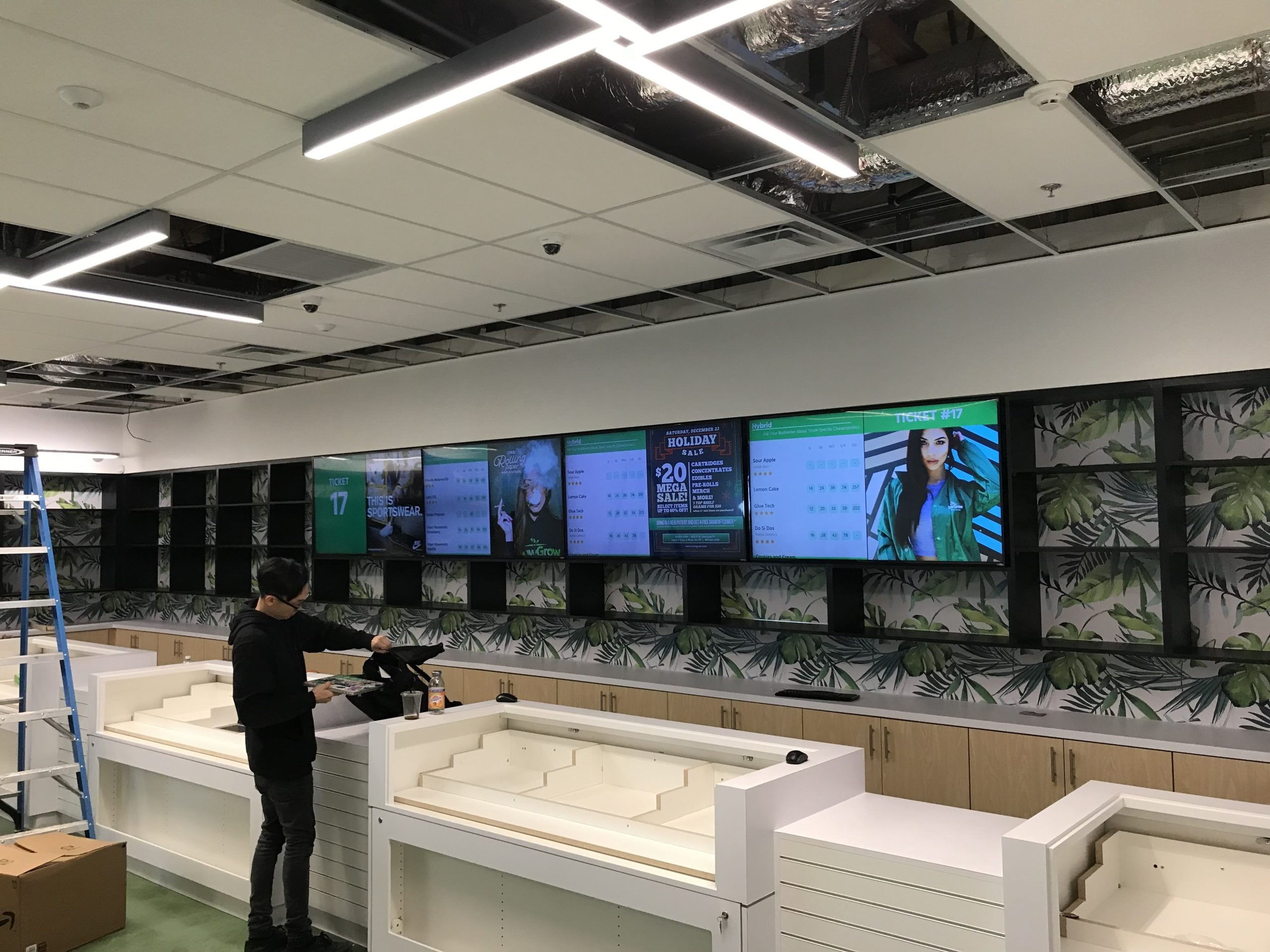
Common issues include blind spots behind counters, improper camera angles, and missing coverage at entrances, exits, and vault access points.
Inspectors also check that cameras are mounted at correct heights, securely installed, and wired to approved recording systems.
Construction mistakes in camera placement often require re-running conduit and opening finished walls.
Vault Construction
Vaults, Secure Storage, and Physical Barriers
Vault construction is evaluated at a structural level.
Inspectors verify wall assemblies, door ratings, anchoring, and ceiling protection.
A common failure occurs when vault walls are built to standard framing instead of reinforced assemblies.
Another frequent issue is improper door hardware or missing alarm integration.
These errors typically require demolition and rebuild, which can delay opening by weeks.
Life Safety
Fire, Electrical, and Emergency Systems
Fire inspectors focus on occupancy classification, egress paths, emergency lighting, and fire separation.
Electrical inspectors verify panel capacity, dedicated circuits, and proper grounding for security systems.
Emergency exits must remain unobstructed and correctly illuminated.
Many dispensary delays occur when electrical loads are underestimated during early construction planning.
Accessibility
ADA Compliance Is Checked in Inches
ADA compliance is one of the most unforgiving inspection categories.
Counter heights, reach ranges, turning clearances, door hardware, and restroom layouts are measured precisely.
Inspectors do not allow variances for custom millwork that was built incorrectly.
ADA mistakes often require rebuilding counters or reworking entire transaction areas.
Inspection Sequence
Why Inspection Order Matters
Dispensary inspections occur in a specific sequence.
Failing an early inspection can block later approvals.
Security and life safety approvals are often prerequisites for final retail inspections.
Construction teams that do not understand inspection order frequently schedule trades incorrectly and lose weeks correcting preventable issues.
-
90%Inspection delays tied to early construction decisions
-
< 48hrsTypical reinspection window when issues are resolved correctly
-
4+Departments involved in dispensary inspections
-
WeeksLost when rebuilds are required