Learn
I Just Got My Dispensary License. Now What?
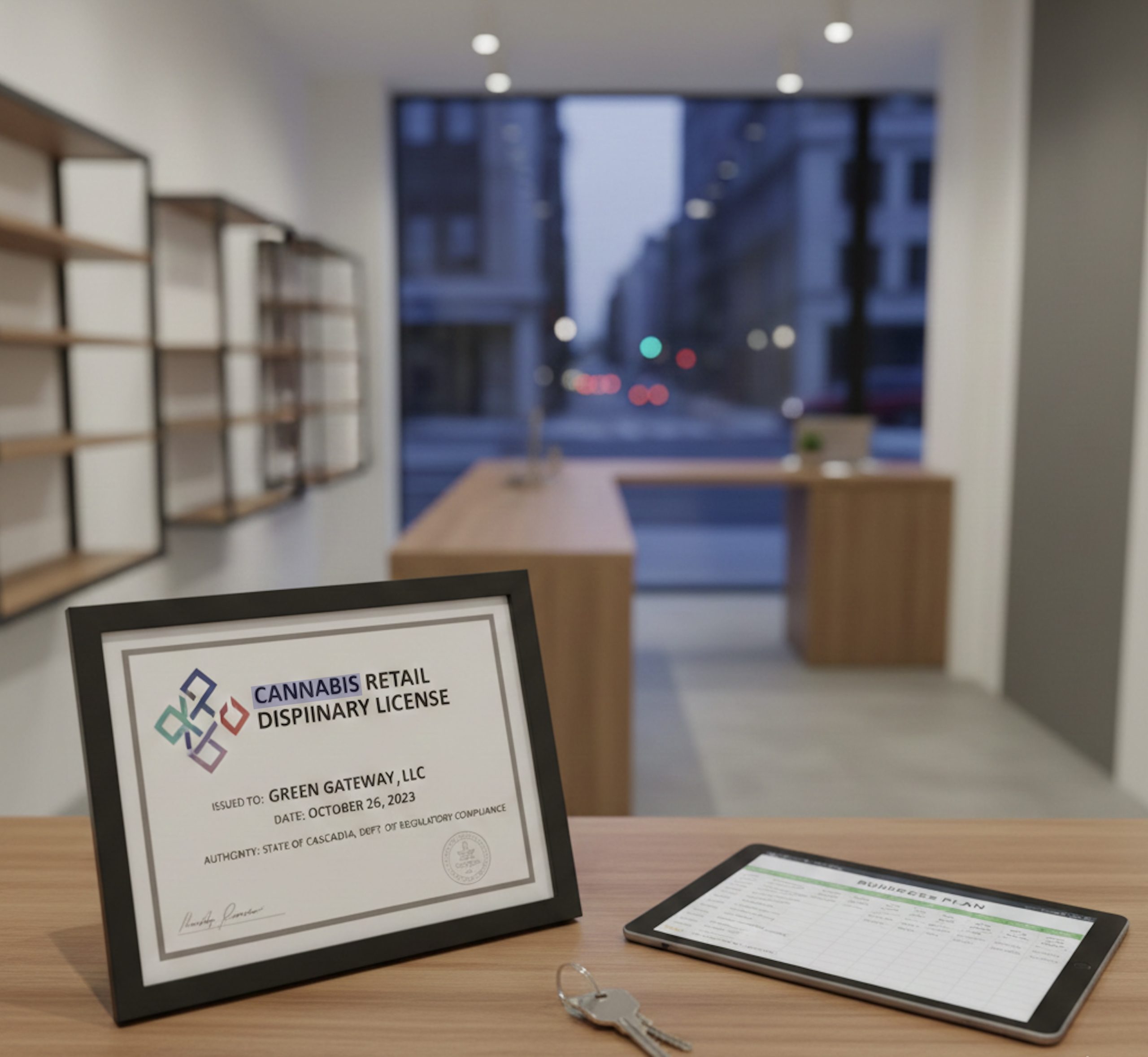
Receiving a dispensary license is a milestone, but it is not the finish line. The period immediately after licensure is where most new operators either set themselves up for long-term success or create problems that are expensive to fix later. What you do next matters more than the license itself.
Article Summary
- A dispensary license authorizes operations but does not guarantee readiness
- Early decisions around real estate, vendors, and compliance shape long-term outcomes
- Many first-time operators underestimate timelines and capital needs
- Strong operational planning reduces costly delays after licensure
Overview
What a Dispensary License Actually Allows You to Do
A dispensary license gives you legal authorization to operate, but it does not mean
you are cleared to open immediately.
Most licenses are conditional and require additional approvals related to location,
build-out, security, and inspections.
Understanding what is approved versus what is still pending is the first step
in avoiding missteps.
Real Estate
Securing a Location Without Overcommitting Too Early
Real estate is often the largest risk immediately after licensure.
Signing a lease before confirming zoning, buffer compliance, and build feasibility
can lock operators into expensive delays.
The goal is to control a compliant site while preserving flexibility
until all local approvals are confirmed.
Planning
Designing the Store Before You Design the Brand
Many new license holders focus on branding too early.
Store layout, customer flow, back-of-house operations, and security
should be designed first.
These decisions affect staffing levels, throughput, and compliance
long before signage or marketing matter.
Vendors
Selecting Operators, Builders, and Technology Partners
The vendors you choose after licensure often shape your operating model.
Builders unfamiliar with cannabis regulations can cause inspection failures.
Technology platforms that are not designed for regulated retail
can slow opening timelines.
Experience matters more than price at this stage.
Compliance
Preparing for Inspections Before Construction Begins
Compliance planning should happen before walls are built.
Security layouts, camera coverage, access control, and storage areas
are often reviewed during inspections.
Designing with inspectors in mind reduces rework
and prevents failed walkthroughs.
Operations
Building Systems Before Hiring Staff
Staffing too early without defined processes creates confusion and waste.
Standard operating procedures, inventory workflows, and cash handling
should be established before onboarding employees.
Systems scale better than personalities in regulated retail.
Timing
Why Opening Takes Longer Than Most New Owners Expect
Even well-prepared operators experience delays.
Inspections, permitting, vendor lead times, and revisions
all add weeks or months.
Planning for extended timelines protects capital
and reduces pressure-driven decisions.
-
ClarityUnderstand post-license requirements
-
ControlAvoid premature commitments
-
ReadinessPrepare for inspections early
-
StabilityBuild systems before scaling