Learn
How to Choose the Right Location for a Dispensary
Choosing a dispensary location is not about visibility alone. Zoning rules, physical feasibility, security requirements, and long-term operational flow matter more than foot traffic or aesthetics. The right location supports compliance, efficiency, and scalability from day one.
Article Summary
- Dispensary location decisions must start with zoning and buffers
- Physical building constraints affect cost and timelines
- Security and access requirements limit viable sites
- Operational flow matters more than raw visibility
Overview
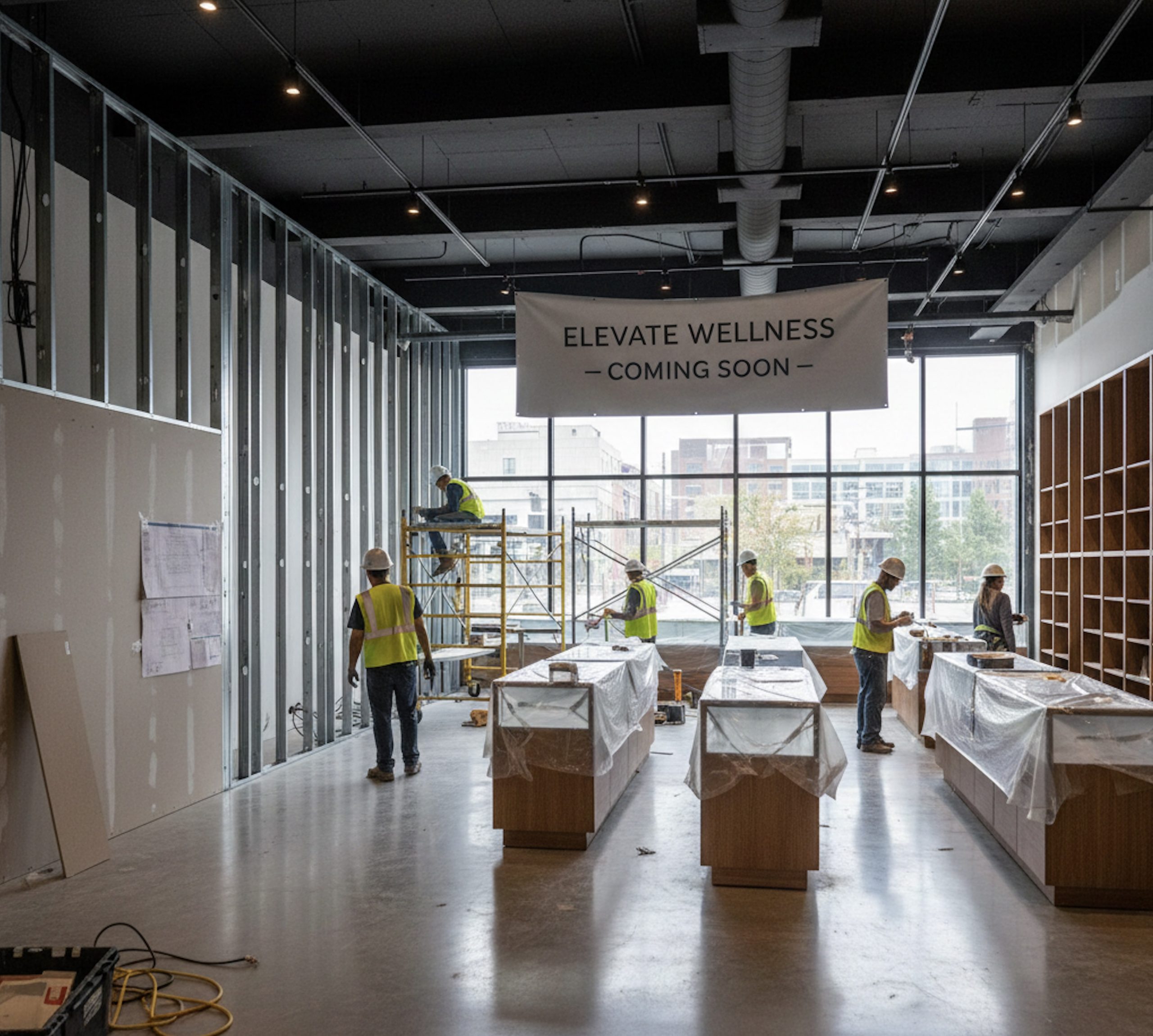
Why Location Choice Is a Construction Decision First
A dispensary location is often evaluated as a real estate problem.
In practice, it is a construction and compliance problem.
Sites that appear attractive can fail due to zoning,
building limitations, or security retrofit costs.
The right location is one that can be approved, built, and operated efficiently.
Zoning
Confirming Zoning and Buffer Eligibility
Zoning compliance is the first non-negotiable filter.
Distance buffers from schools, parks, or residential uses
are strictly enforced.
A site that misses buffer requirements by a small margin
is functionally unusable.
Written confirmation should be obtained before advancing.
Structure
Evaluating the Existing Building
Ceiling height, wall placement, load-bearing elements,
and access points directly affect dispensary layouts.
Buildings that require major structural changes
increase cost and inspection risk.
Simpler structures are often more adaptable
to regulated retail requirements.
Security
Assessing Security Retrofit Requirements
Dispensary security requirements shape site viability.
Camera coverage, secure storage, reinforced glazing,
and controlled access must be achievable within the space.
Some locations require extensive retrofitting
that can outweigh perceived location advantages.
Access
Customer and Delivery Flow Considerations
Customer entry, queuing space, and exit paths
should be clear and controlled.
Separate delivery and staff access
reduces operational friction.
Locations that force shared or congested pathways
often create long-term inefficiencies.
Cost
Understanding the True Cost of the Location
Rent is only one part of location cost.
Build-out complexity, security upgrades,
permitting delays, and inspection revisions
add significant expense.
A lower-rent site with higher build costs
often performs worse than a balanced option.
Longevity
Choosing a Location That Can Scale
The right location supports growth.
Space for increased throughput,
expanded storage, or layout adjustments
reduces the need for future relocation.
Short-term compromises often become permanent constraints.
-
ComplianceMeet zoning and security requirements
-
FeasibilityBuild efficiently within constraints
-
EfficiencySupport clean operational flow
-
DurabilityChoose for long-term use